
Oct 2026

If you have been asking yourself whether or not IV Drip at Home Safe, the answer is that it does depend on your health situation, what you are being treated for, and the credentials of the health care professional that is doing it. IV drip therapy may be right for some people when there is a true clinical need and also when the treatment is doled out under proper medical supervision.
However we also see that not all people are suited to IV therapy. Also with vitamin based infusions it is true that they may cause side effects, allergic reactions, infection, or other issues should they not be as directed and administered by a professional.
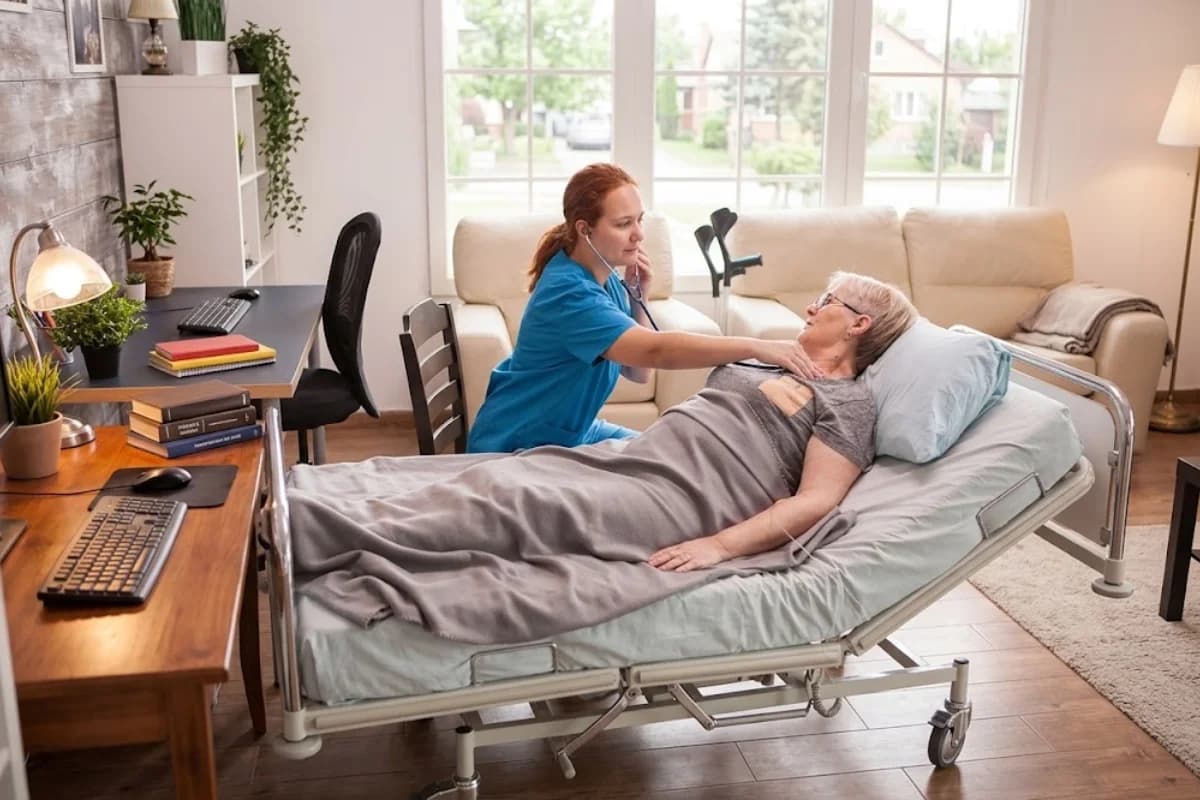
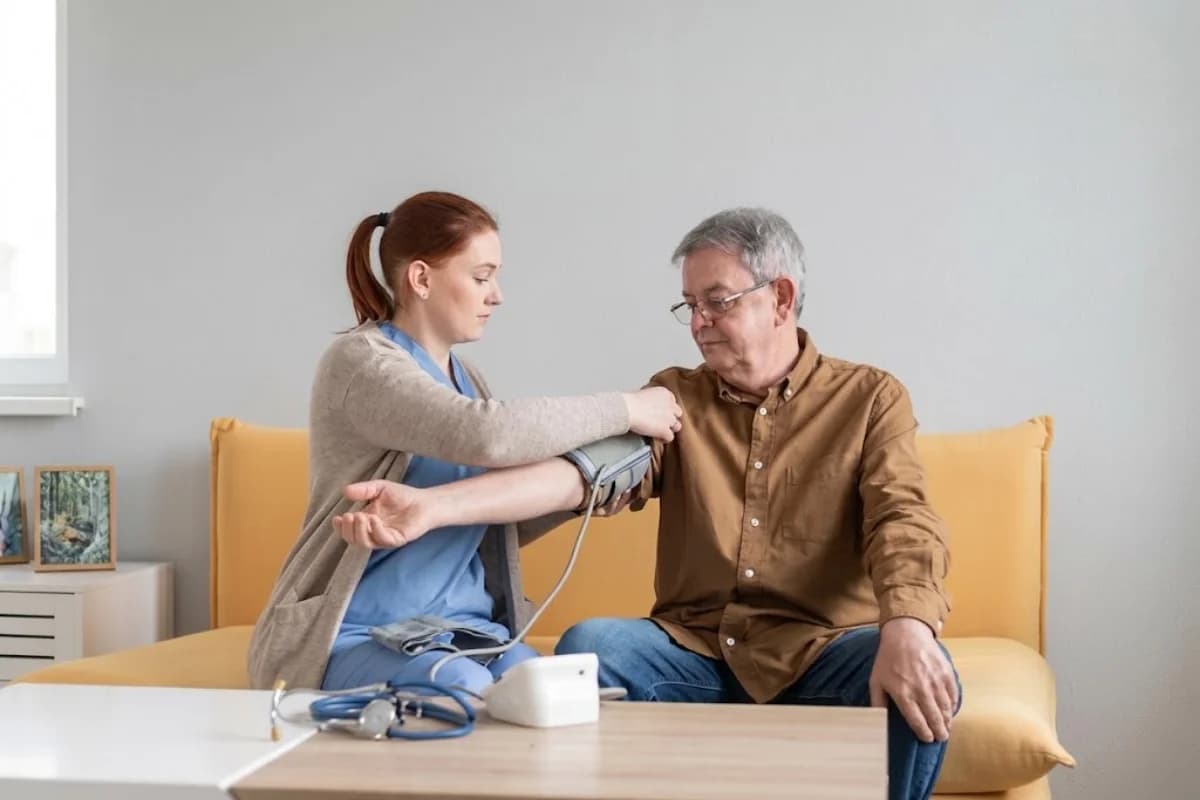
A professional at home IV hydration service will do a clinical assessment. This allows the health care provider to know your symptoms, medical history, allergies, current medications, and also to determine if IV treatment is the right option for you.
This guide covers the IV drip therapy safety, possible risks, medication interactions, and what to check before you book IV drip at home.
IV push of fluids, vitamins, minerals, or ordered medication into a vein via a small cannula is what we have here. Also because what goes in through the blood stream is a different route of administration that may not act like oral medicines or supplements.
IV therapy is used when appropriate for hydration, certain nutrient deficiencies, or other medical issues. We base the choice of ingredients and dose on the patient’s condition which may not include what is put forth in wellness claims or advertising.
A professional IV drip service is available at home, in an office, to a hotel room, or any other private setting. That said, the location does not change the fact that proper assessment is required, sterile equipment is a must, monitoring is continuous, and emergency plans are a priority.
IV drip at home can be safe when it is medically appropriate and administered by a qualified healthcare professional. At the point in the care process at which we must perform a proper medical evaluation before treatment:
A proper medical assessment before treatment
Correct identification of the patient
Review of allergies and medications
Appropriate IV fluids and ingredients
Sterile equipment and infection-control procedures
Monitoring during and after the infusion
A clear plan for managing complications
Access to emergency medical care when needed
At-home remedies should be used in addition to emergency care. Should you have issues like severe chest pain, shortness of breath, passing out, stroke symptoms, severe dehydration or any other serious condition go to the emergency room right away.
A clinical evaluation determines which IV therapy is needed and which is safe for you. We may ask you about:
Your current symptoms
Existing medical conditions
Pregnancy or breastfeeding, where relevant
Allergies
Current medications and supplements
Previous reactions to IV treatment
Kidney, heart, or liver problems
Your hydration status
The assessment also determines that it may be a better option for treatment. A responsible health care professional does not push for infusion as a treatment just because it is popular or advertised as a quick fix.
No. Is the issue of IV therapy safe for everyone which is important to raise because some people may have a higher risk of complications.
Paying extra attention to:
Kidney disease
Heart disease or certain heart conditions.
Fluid retention
Uncontrolled high blood pressure
Known allergies to treatment ingredients
A history of hard IV access.
Certain blood or bleeding conditions
Pregnancy or breastfeeding
Past serious events related to IV treatment.
This does not mean we have IV therapy. What it does mean is that which route of administration is best should be determined by a health care professional after they have looked at the person’s particular situation.
Like with any medical treatment, IV therapy has side effects that may range from mild and temporary to serious which may require medical attention.
Possible IV drip side effects include: Possible also see that which may happen with IV drips is:
Pain at the site of cannula insertion.
Bruising
Mild edema at the injection site.
Redness or irritation
Feeling cold during the infusion
Headache
Nausea
Dizziness
Changes in blood pressure
A taste of metal, as the ingredients go .
The risk of side effects is based on the type of fluid, ingredients, dosage, infusion rate and health of the patient.
Vitamin infusions are put forth as a health remedy but they are still to be treated as medical procedures. As for what may present itself with regards to also known as IV vitamin therapy side effects they may consist of nausea, headache, flushing, dizziness, IV site irritation, or blood pressure changes.
Some health issues may be caused by over intake of some vitamins which also has a play in people with specific health conditions. For example large doses of certain nutrients may damage the kidneys, liver or other body systems.
In fact we see that a treatment includes vitamins does not mean it is without risk. Also the ingredients, dose, and purpose of the treatment should be evaluated by a qualified professional.
Risks of IV hydration therapy may include issues related to cannula insertion, the fluid used, or the patient’s health.
Potential risks include:
If we have non-sterile equipment or improper handling of the insertion site bacteria may get in. It is important to practice proper hand hygiene, use sterile supplies, and follow safe disposal procedures.
In some cases what we see is that the IV fluid goes into the tissue surrounding the vein instead of the blood stream which is what we want. This may present as swelling, pain, or a cool feeling at the site of the insertion.
Phlebitis is an inflammation of a vein. It may cause redness, tenderness, warmth, or pain at the site of the affected vein.
Too much fluid and that which is given in large volumes too quickly may put some health issues at risk in patients with certain heart, kidney or other medical conditions. This is also a reason which supports that the treatment plan should be based on clinical assessment.
Some persons may react to a drug or a substance in an IV solution. Reactions which may range from mild skin issues to serious breathing or health issues.
Incorrect levels of electrolytes and other ingredients may put the body out of its normal balance. This is of great concern for people with kidney disease or other health issues.
Yes. IV delivery of medications is also an important safety issue which may present with allergic reactions as a given infusion may contain a variety of ingredients such as drugs, vitamins, minerals or other additives.
Also see:
Itching
Rash
Hives
Facial or lip swelling
Wheezing
Difficulty breathing
Dizziness or fainting
A drop in blood pressure.
Report to your health care provider right away if you experience any abnormal symptoms during treatment. Seek immediate medical care if you have severe symptoms.
Before starting treatment let us know of any allergies or past reactions to medications, supplements, injections, or IV therapy.
Yes. IV therapy medication interactions which present when the components of the infusion affect the action, absorption or safety of your current medications.
Before starting treatment please provide a full list of:
Current medicines
Over-the-counter medicines
Vitamins
Herbal products
Supplements
Recent injections or treatments
Some drugs may affect your fluid balance, blood pressure, heart rhythm, kidney function, or bleeding risk. Also some supplements may interact with your ordered medication.
Do not suppose it is safe to take a vitamin infusion with your current health plan. A health care provider should look at your medical history before they recommend IV therapy.
IV therapy safety is a product of the provider’s clinical standards which in turn may or may not relate to the location. Home care may be convenient but still must follow proper medical protocols.
Before you choose a provider see if they do:
The appropriate health care provider to give the treatment also has to be a person which is qualified and licensed in this field which includes knowledge of IV access, infusion safety, and what the possible complications are.
The care provider will go over your health information prior to treatment which also includes determination of IV therapy’s appropriateness.
Of course we should be made aware of what the infusion is of which we are to use, the reason for the recommendation, the time it may take and also the side effects which may present.
The provider should use proper sterile equipment and follow infection control procedures.
During the course of your infusion it is important to be monitored, also if you are on other medication or have an existing health condition.
The provider must have a plan for when allergic reactions, fainting, complications, or any other emergency arise.
How long does an IV drip takes is determined by the type and volume of fluid, the infusion rate, the ingredients which are used and your individual situation.
Some infusions will last for 30 to 90 minutes and some will go beyond that. Health care providers will determine the right rate.
Do not request that the health care provider speed up treatment in order to finish the care faster. Administering at a high rate may increase side effects and risks.
Selecting a Reliable IV Therapy Provider.
Before you book IV drip at home check beyond what is advertised. A safe provider will be able to tell you:
Who will administer the treatment
Whether the professional is properly qualified.
What ingredients are included
Whether medical evaluation is needed.
How do we go about determining allergies and medication interactions?
What equipment will be used
How will we follow up on the patient?
What is the result of a reaction?
Whether follow-up support is available
What the complete price includes
A cost effective treatment does not always equate to the safest one if it doesn’t include clinical evaluation, monitoring, or professional care.
A professional IV therapy home service provides convenience as well as clinical quality. But also the service should be chosen based on safety, qualifications and suitability over convenience alone.
If you have questions about IV therapy you hire a professional doctor on call for an assessment before getting treatment. Also you can hire a professional doctor on call for medical advice on symptoms, medication, or if home treatment is appropriate.
Share out your location and tell us the reason for IV therapy. If you are looking to book IV drip at home we ask that you provide enough info for the provider to process your request.
Discuss with your health care team your symptoms, medical conditions, allergies, present medications, and past responses to treatment.
Qualified medical professionals can also be the only ones to assess suitability of IV therapy and which course (if any) should be given.
Ask on the what of the ingredients, the dose, the time frame we are looking at, what side effects to expect, and what safety issues to be aware of.
Check which services of consultation, nursing, equipment, transport, and follow up support are included.
If the treatment is right for you we will bring the care to your chosen location and will administer the infusion per best clinical practices.
Do not count on home IV therapy if you have emergency symptoms which include:
Severe difficulty breathing
Chest pain
Loss of consciousness
Severe allergic reaction
Sudden weakness or confusion
Signs of stroke
Severe bleeding
Serious dehydration which causes confusion and fainting.
In such cases, go to the emergency room or call emergency medical services. Home IV service does not replace emergency medical care.
At home IV infusion may be safe when clinically appropriate and administered by a qualified health care provider using sterile equipment and proper monitoring. It is not suitable for all.
Possible issues are pain, bruising, swelling, nausea, headache, dizziness, irritation, and allergic reactions.
IV therapy of vitamins may in some cases be appropriate but also may cause side effects or issues. Which ingredients to use and what dose is right for the patient should be determined by clinical assessment.
Yes. An allergic response is a possibility due to a certain ingredient, medication, vitamin, or additive in the infusion. Before treatment, report to the health care professional all known allergies.
Yes. IV medications may also react with other medicines, over-the counter products, vitamins or supplements. Before starting treatment, always report your full medication history.
No. People with certain heart, kidney, liver, blood pressure, allergy, or fluid balance issues may have to go through extra assessment before treatment.
The time of the session which is at the discretion of the fluid volume, what is put in the fluid, the infusion rate, and the patient’s needs. We see that many of these are around 30 to 90 minute marks but some do go longer.
Request info on the provider’s credentials, clinical assessment, ingredients, side effects, monitoring, emergency procedures, total cost, and aftercare support.
Choose out which health care providers to use that have qualified staff, follows in infection control, reviews your past health issues, explains treatments in full detail, and does which follow up care.
No. Home IV therapy is not a substitute for emergency care. Go get professional medical attention for serious or life threatening symptoms.
If you ask Is IV Drip at Home Safe, the key step is to choose a qualified provider which puts patient safety at the forefront.
Siza Health Care can help you determine that professional home IV care is right for you. Before you book IV drip at home we will go over your health needs, review past medical history, and go through what we have to offer.
If you are to get an assessment before treatment, book our professional doctors at which you can seek medical advice. Also you can book our professional doctors when it comes to questions of symptoms, medication or at home health care options.
For professional help, we have put in place a call for hire IV drip professional and we ask that you call to discuss your needs with the health care team. Also should you call for hire IV drip professional guidance before confirming an appointment, give us a call.
Our doctors and nurses visit you at home, hotel or office across Dubai, 24/7. No waiting room, no travel.
Available 24/7
Book a visit in minutes — doctor, nurse, lab test, or long-term care across the UAE.