If you have recently had surgery or received stitches after an injury, you may be wondering how long recovery will take. The answer depends on the wound's size, depth, location, stitch type and your overall health.
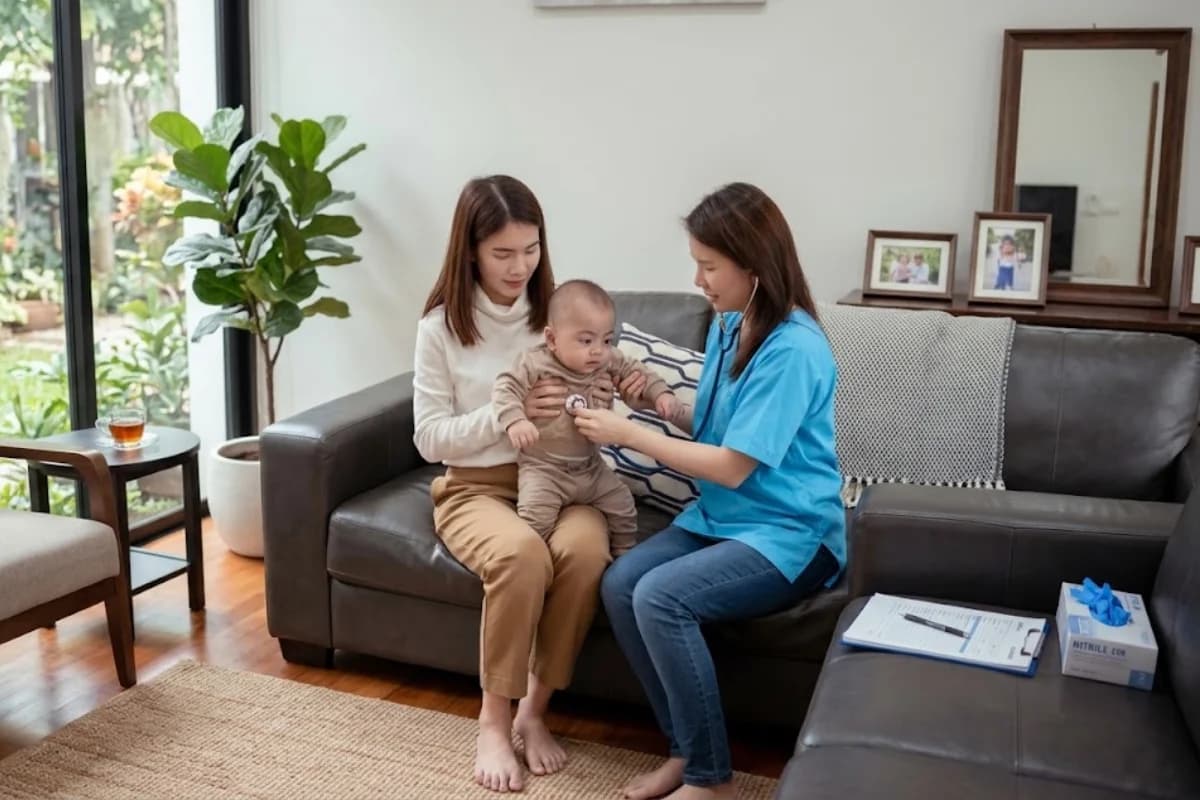
Generally, many minor wounds begin healing within one to two weeks, but deeper surgical wounds can take longer. Proper post-operative wound care at home and following your clinician's instructions can support recovery. If you need help with home care after surgery, a qualified nurse may assist with wound checks and dressing changes, subject to clinical assessment and service availability.
How Long Do Stitches Take to Heal?
The skin around a stitched wound may start closing within several days, while deeper tissues continue repairing over the following weeks. A surgical incision may look healed on the surface before the underlying tissue has fully recovered.
Your stitches healing time depends on factors such as wound location, blood supply, infection, medical conditions and whether the wound is under tension. Your healthcare professional can assess whether it is healing as expected.
Stitches Healing Stages: What to Expect
Healing usually happens gradually through several overlapping stages.
1. Initial inflammation: During the first few days, mild redness, tenderness and swelling can occur as the body begins repairing the wound.
2. New tissue formation: Over the next days and weeks, new tissue develops and the wound edges strengthen. The area may look pink or slightly raised.
3. Remodelling: Over the following weeks and months, the new tissue gradually strengthens and the scar may become flatter and less noticeable.
These stages vary between individuals. Mild itching can occur during healing, but increasing pain, spreading redness or discharge should not be ignored.
How Long Do Stitches Stay In Before Removal?
Non-dissolvable stitches must be removed by a healthcare professional. The timing depends on the wound's location and healing progress. They are commonly removed within approximately 5–14 days, although some areas require a different schedule.
Do not remove stitches yourself or leave them in longer than advised. Your treating clinician should confirm the correct removal date.
How Long Do Dissolvable Stitches Take to Dissolve?
Dissolvable stitches, also called absorbable stitches, break down naturally in the body. Some begin dissolving within 7–14 days, while others may take several weeks or longer to disappear completely.
The exact timing depends on the material used and the location of the stitches. Do not pull loose threads or attempt to remove them yourself. Ask your healthcare professional if a stitch remains uncomfortable or appears to interfere with healing.
How to Care for Stitches at Home
Good wound care helps reduce infection risk and supports healing. Follow the instructions provided by your surgeon or treating clinician, as dressing and bathing advice can differ.
-
Wash your hands before touching the dressing or surrounding area.
-
Keep the wound clean and follow the recommended instructions for keeping it dry, especially during the first 24–48 hours.
-
Change dressings only as instructed, or sooner if they become wet or dirty.
-
Avoid rubbing, scratching or picking at the stitches.
-
Avoid swimming, soaking and activities that stretch or put pressure on the wound until your clinician says they are safe.
-
Do not apply creams, antiseptics or ointments unless recommended by your healthcare professional.
For guidance on how to keep stitches dry, follow the specific bathing and dressing instructions given for your wound. Some wounds can be gently washed after an initial period, while others need longer protection.
What Do Healing Stitches Look Like?
Healthy stitches may have slight redness, mild swelling or tenderness during the early healing period. As recovery progresses, the wound edges should gradually close, and discomfort should generally improve.
However, increasing redness, warmth, swelling, worsening pain, pus, unpleasant odour or wound separation may indicate infection or another complication. Seek prompt medical assessment if these symptoms develop. Fever or feeling unwell alongside wound changes also needs medical attention.
How to Reduce Scarring from Stitches
Some scarring is normal after a wound closes, and the final appearance can take months to develop. To support healing, avoid picking at scabs, protect the area from unnecessary friction and follow your clinician's wound-care instructions.
Once the wound has fully closed, ask your healthcare professional whether moisturising, scar massage or silicone-based products can support wound healing and reduce scarring. Avoid massaging any open, infected or unhealed wound.
Can a Nurse Check or Dress Stitches at Home?
Yes, a qualified nurse may be able to assess a wound and provide dressing support at home, depending on the patient's condition and the service available. Professional nursing care at home can be useful for people recovering after surgery or those who find travelling difficult.
Siza Health Care provides home nursing support, including wound dressing services in Dubai, subject to assessment and availability. Its home nursing services can help patients receive appropriate care in a familiar setting. For suitable cases, you can book a home visit to discuss your wound-care needs. If you need post-operative wound care at home, the care plan should follow your treating clinician's instructions.
For additional home care after surgery, professional nursing care at home may help with dressing changes and monitoring. You can explore home nursing services or book a home visit to discuss whether support is appropriate.
If you notice signs of infection, wound reopening or worsening symptoms, contact your treating doctor promptly. A nurse's home visit should not delay urgent medical assessment.
Frequently Asked Questions
How long do stitches take to heal completely?
Many minor wounds begin healing within one to two weeks, but deeper wounds can take several weeks or longer. Scar tissue continues to strengthen and change over subsequent months.
How long do stitches stay in before removal?
Many non-dissolvable stitches are removed within 5–14 days, depending on their location and the wound's condition. Follow the removal date given by your healthcare professional.
How long do dissolvable stitches take to dissolve?
Some begin dissolving within one to two weeks, while others can take several weeks or longer to disappear completely.
What are signs of infected stitches?
Warning signs include spreading redness, increasing swelling, warmth, worsening pain, pus, unpleasant odour, fever or wound separation. Seek medical advice promptly.
Can a nurse check or dress my stitches at home?
A qualified nurse may provide wound checks and dressing support at home, depending on clinical needs and service availability. Contact Siza Health Care to discuss suitable home nursing support.